Posted on Leave a comment

The hidden journey of most bouquets

A bouquet feels simple.

But the journey behind it is anything but.

Most of us don’t think twice about where our flowers come from. We pick up a bouquet at the grocery store or send one to a friend, assuming it’s fresh, seasonal, maybe even local.

But the truth is—most flowers have traveled farther than we have.


Where most flowers really come from

Today, about 75–80% of cut flowers sold in the United States are imported.

The majority come from countries like:

  • Colombia
  • Ecuador
  • Kenya
  • Ethiopia
  • The Netherlands

Colombia alone is the largest supplier to the U.S., exporting billions of stems each year.

These regions are chosen for year-round growing conditions and lower production costs—but they are often thousands of miles away from the person eventually holding the bouquet.


The miles (and stops) along the way

Before a bouquet reaches your hands, it typically travels 1,500 to over 4,000 miles—and sometimes more than 5,000 miles.

And it’s not a direct journey.

A single stem might:

  1. Be harvested on a large-scale farm
  2. Placed into refrigeration immediately
  3. Packed into boxes and transported to an airport
  4. Flown (in refrigerated cargo) to a hub—often Miami
  5. Sent to a wholesaler
  6. Distributed to a florist or grocery store
  7. Finally arranged and sold

At every step, temperature and timing are tightly controlled—because the clock is already ticking on vase life.


The role of chemicals

To survive this long journey, flowers are often treated with chemicals at multiple stages.

Large-scale cut flower production can involve:

  • Pesticides and fungicides during growing
  • Chemical preservatives after harvest
  • Treatments to slow blooming and extend shelf life

Unlike food, flowers are not subject to the same pesticide residue regulations, and studies have found measurable residues on imported stems.

These treatments help flowers look perfect after days (or weeks) in transit—but they’re also part of what makes the supply chain so intensive.


The climate cost of a bouquet

Flowers are perishable. That means speed—and refrigeration—are essential.

Most imported flowers travel via:

  • Refrigerated airplanes
  • Refrigerated trucks
  • Climate-controlled storage facilities

This combination creates a significant environmental footprint.

Because of long-distance transport and cold storage, a single bouquet can carry a surprisingly high carbon cost—especially when flown thousands of miles for a product that may last only a week or two.


So what’s the alternative?

There’s nothing wrong with loving flowers.
(If anything, we need more of that.)

But there is another way.

Local flowers:

  • Travel a fraction of the distance
  • Are often grown with fewer chemicals
  • Last longer because they’re fresher
  • Reflect the season and place they were grown
  • Connect you directly to a person—not a supply chain

A small shift with a big impact

The next time you buy flowers, it’s worth asking a simple question:

Where did these come from?

Because behind every bouquet is a story.

And when you choose local, it becomes a much shorter—and much more meaningful—one.

Shop flowers from local growers here
Posted on Leave a comment

March Madness, but local flowers

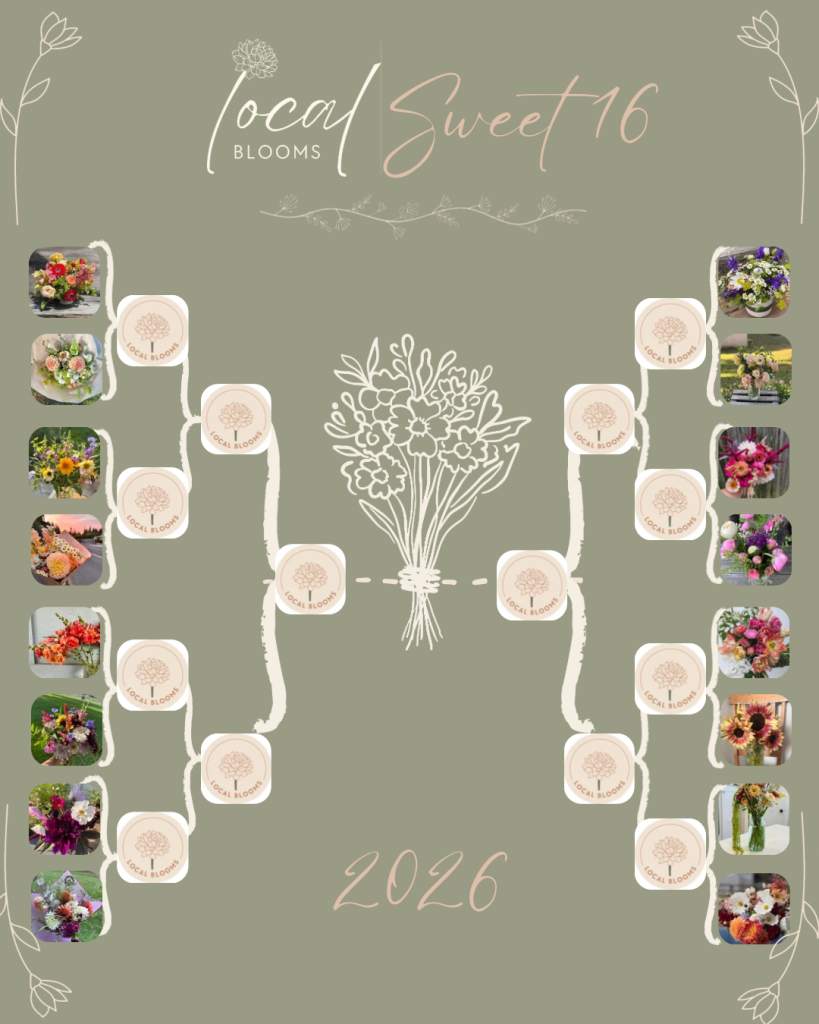
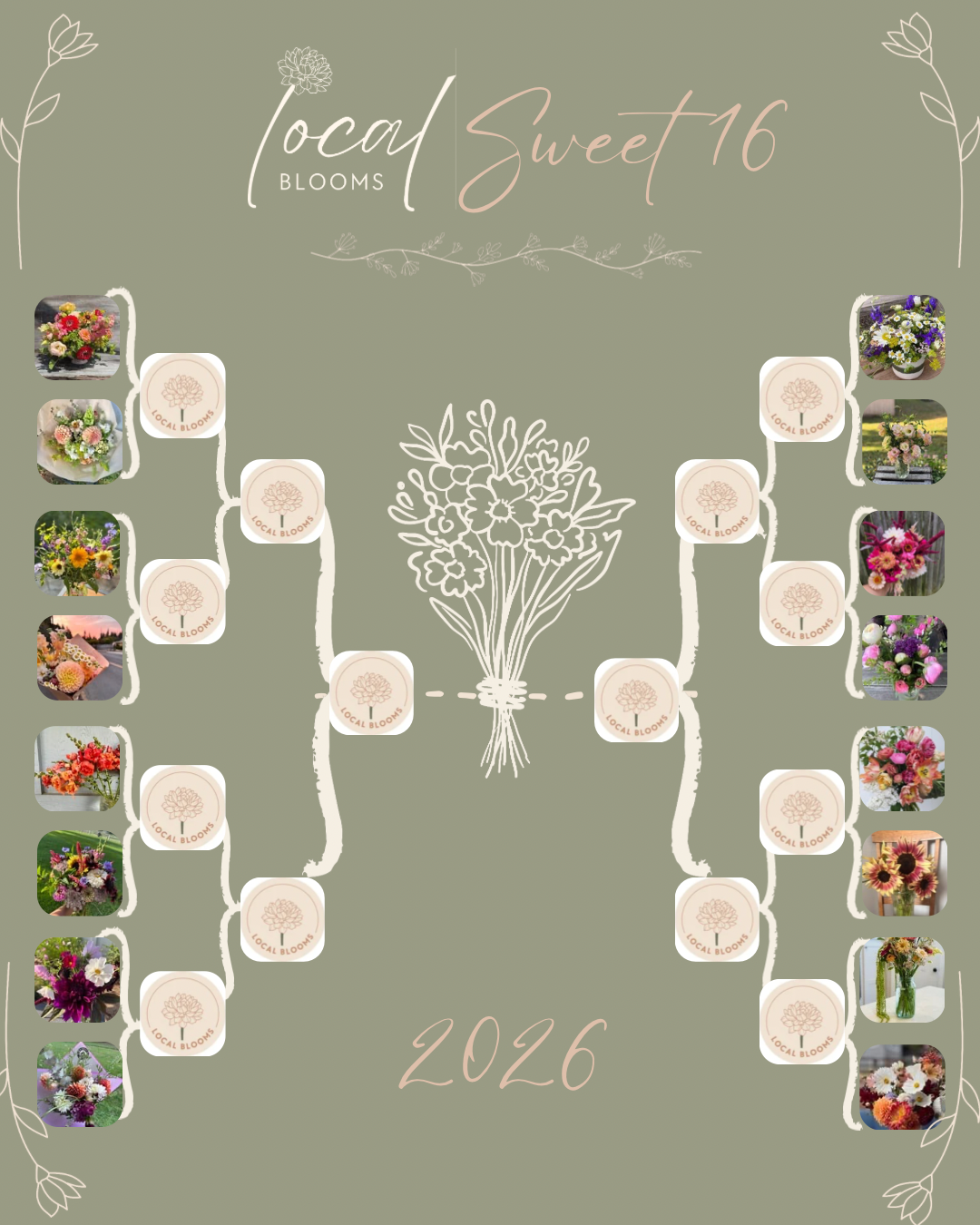
bracket of 16 bouquet contestants

bracket of 16 bouquet contestants

16 bouquets. Daily matchups. One winner.

March Madness is not just for basketball.

This year, we are bringing that same energy to something we love: locally grown flowers.

We have selected 16 of our favorite bouquets created by Local Blooms growers last season and placed them into a bracket. Over the next two weeks, our community will help decide which arrangement comes out on top.

Along the way, you will discover just how beautiful, diverse, and creative local flowers can be.


What Is Bouquet Madness?

Bouquet Madness is a bracket-style competition featuring real bouquets grown and designed by Local Blooms growers.

Each arrangement reflects the beauty of seasonal flowers, the creativity of local growers, and the uniqueness that comes from flowers grown close to home.

These are not imported flowers traveling thousands of miles. They are flowers grown with care, harvested at peak freshness, and designed by small growers in communities across the country.


How It Works

Step 1: Meet the contenders
We are introducing all 16 bouquets on Instagram so you can get to know each one.

Step 2: Submit your prediction
Before voting begins, choose the bouquet you think will win it all. You will find the link to submit your bracket in our Instagram stories.

Step 3: Vote daily
Starting March 29, we will post daily matchups in Instagram stories. Vote for your favorite bouquet in each round to help it advance.


Key Dates

Bracket predictions open: March 24 through March 28
Daily voting: March 29 through April 6
Winner announced: After the championship round


Prizes

For participants:
Anyone who correctly predicts the winning bouquet will be entered into a drawing for a $50 Local Blooms gift card.

For growers:
The grower who created the winning bouquet will receive a free Pro Membership, a $150 value.


Why We’re Doing This

Most flowers purchased in the United States are imported.

They travel long distances, are often treated with chemicals, and are selected for durability rather than beauty, scent, or uniqueness.

Local flowers are different.

They are fresher, more seasonal, often more unique, and grown with care by people in your community.

Bouquet Madness is a simple and fun way to highlight the work of local growers, celebrate the diversity of locally grown flowers, and help more people discover a different way to buy and send flowers.


How To Participate

Head over to Instagram and follow us at @localbloomsonline.

There you can:

  • View all 16 bouquets
  • Submit your bracket prediction
  • Vote in daily matchups

A Kinder Way To Buy And Send Flowers

At Local Blooms, we believe flowers can be more than a transaction.

They can support small growers, strengthen local economies, and bring more beauty and connection into everyday life.

Bouquet Madness is one small way to celebrate that.


Join Us

Take a few minutes to look through the contenders, choose your favorite, and submit your prediction.

You might win free flowers, and along the way, you will help shine a light on the growers behind them.


Posted on Leave a comment

How to Care for Cut Tulips: Simple Tips

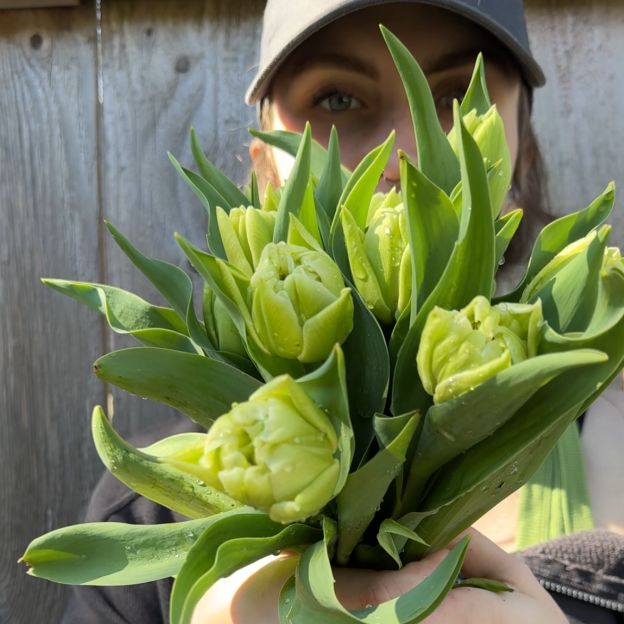
grower Silver Linings Flower farm holding fresh tulips

Tulips are one of the most beloved flowers of spring. Their clean lines, soft colors, and graceful movement make them a favorite for both growers and flower lovers.

But tulips are a little different from many other cut flowers. Even after they’ve been harvested, they keep growing in the vase, often stretching several inches and bending toward the light. That’s part of what makes them so fascinating.

With the right care, your tulips can stay fresh and beautiful for many days. Here are a few simple tips to help you get the most out of your bouquet.

grower Silver Linings Flower farm holding fresh tulips
Silver Linings Flower farm fresh tulips

Start with a Fresh Trim

Before placing tulips in water, trim about ½–1 inch off the stems.

Use sharp scissors or garden snips and cut straight across. A fresh cut opens the stems so they can absorb water more easily.

If your tulips start to look droopy after a few days, another quick trim can often revive them.


Use Cool Water (Not Too Much)

Tulips prefer cool, fresh water.

Unlike some flowers, they don’t need a vase filled to the top. Just a few inches of water is enough. Too much water can cause stems to soften more quickly.

Refresh the water daily if possible. Tulips are thirsty flowers and will drink quite a bit.


Choose a Tall Vase

Because tulips continue to grow after being cut, they benefit from a vase that provides good support.

A taller vase helps keep the stems upright as they lengthen and prevents them from collapsing outward too quickly.


Keep Tulips Cool

Tulips last longest in a cool environment.

Place your arrangement away from:

  • Direct sunlight
  • Heating vents
  • Fireplaces
  • Warm kitchen appliances

Also avoid placing tulips near ripening fruit. Fruit releases ethylene gas, which can shorten the life of cut flowers.


Expect Them to Move

One of the most charming things about tulips is how they change over time.

They naturally bend and follow the light, creating a loose, sculptural look in the vase. What may look like drooping is often just the flower responding to its environment.

Rotating the vase every day or two can help keep the arrangement balanced.


Bonus Tip: Wrap to Straighten Droopy Tulips

If your tulips become very floppy, you can sometimes revive them.

  1. Remove the tulips from the vase.
  2. Wrap them gently but firmly in paper.
  3. Trim the stems again.
  4. Place them back in fresh water while still wrapped.

After a few hours, the stems often rehydrate and stand up straighter.


Why Local Tulips Last Longer

Tulips that come from local flower growers are usually harvested much closer to the time you buy them. That means they’re fresher and often last longer in the vase compared to flowers that have traveled long distances.

Local flowers also capture the true season of spring — grown with care in nearby gardens and fields.

At Local Blooms, we connect customers with flower growers in their own communities so you can experience the beauty of truly fresh flowers.


Find Fresh Tulips Near You

One of the best ways to enjoy longer-lasting tulips is to buy them from a local flower grower. Locally grown flowers are typically harvested much closer to when you purchase them, which means better freshness and longer vase life.

At Local Blooms, we connect customers with flower growers in their own communities.

Explore growers near you and experience the beauty of truly fresh flowers.

Posted on Leave a comment

Why Local Flowers Matter More Than Ever

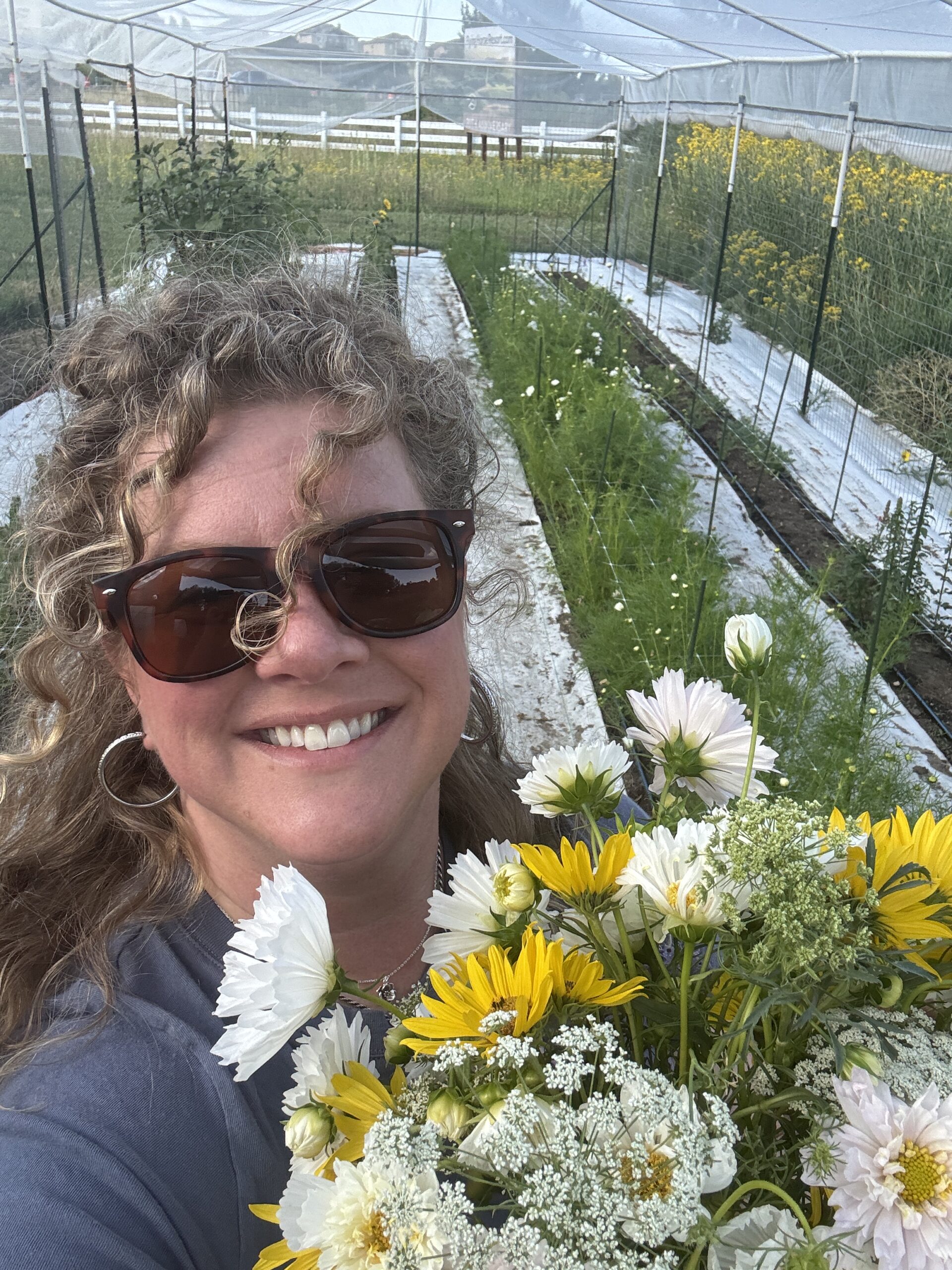
local flower grower Kate from Petal Lane Flowers in Colorado

Flowers have a way of bringing joy into everyday life. A bouquet on the kitchen table, a handful of blooms shared with a friend, flowers at a celebration or marking an important moment.

But most people don’t realize that the flowers we buy in grocery stores and traditional flower shops have often traveled thousands of miles before they reach us.

Over the past several decades, the U.S. flower industry has shifted dramatically. Today, the vast majority of flowers sold in the United States are imported from countries in South America and overseas. They’re grown in massive farms, harvested early, packed tightly into boxes, and flown long distances before they arrive here.

By the time they reach your home, those flowers may be more than a week old.

There’s another way.

The Beauty of Local Flowers

Local flowers are grown closer to home — often right in your own community.

They’re harvested at peak freshness, not days before they bloom. They don’t travel thousands of miles in refrigerated trucks and cargo planes. And they often include varieties you won’t find in conventional floral supply chains.

Many of the most beautiful flowers simply don’t ship well.

Delicate blooms like sweet peas, anemones, poppies, and dahlias are incredibly fragile. They bruise easily and have shorter vase lives if they’re harvested too early for shipping. Because of this, they’re rarely available through traditional flower distribution.

But they thrive when grown locally.

When you buy local flowers, you get blooms that are fresher, more seasonal, and often more unique than what you see in most stores.

Supporting Small Growers and Backyard Gardens

One of the most exciting parts of the local flower movement is that it isn’t just made up of large farms.

Across the country, thousands of people are growing flowers in backyard gardens, small plots of land, and micro farms. Many started growing flowers simply because they love them.

Some sell a few bouquets each week at a farm stand. Others grow for their community or local events. Some are just beginning to explore the idea of sharing their flowers with others.

These growers are part of something bigger — a growing movement to bring flowers back to local communities.

Flowers That Reflect the Seasons

Just like fruits and vegetables, flowers have natural seasons.

Spring brings daffodils, tulips, and ranunculus.
Summer is full of zinnias, sunflowers, and cosmos.
Late summer and fall bring dahlias, marigolds, and chrysanthemums.

When flowers are grown locally, the bouquets we bring into our homes begin to reflect the rhythms of the seasons. Each time of year offers something new and beautiful.

Buying seasonal flowers reconnects us with nature in a small but meaningful way.

Why I Started Local Blooms

Local Blooms began with a simple idea: what if it were easier to find and buy flowers grown right in your community?

Many talented growers don’t have websites or traditional retail channels. At the same time, customers who want to buy local flowers often don’t know where to find them.

Local Blooms was created to help connect the two.

Our platform allows small-scale flower growers and backyard gardeners to offer their flowers locally, while making it easy for customers to discover fresh, seasonal blooms grown nearby.

It’s a small shift in how we buy flowers — but it has the potential to create meaningful change.

A Different Way to Buy Flowers

When you choose local flowers, you’re doing more than buying a bouquet.

You’re supporting small growers in your community.
You’re reducing the distance flowers travel.
You’re helping bring more beauty and biodiversity into local landscapes.

And you’re becoming part of a movement that’s changing the way people buy flowers.

At Local Blooms, we believe flowers should be fresh, seasonal, and connected to the communities where they’re grown.

Because some of the most beautiful flowers in the world might be growing just down the street.


Find Local Flowers Near You

Browse flowers grown by local growers in your area at Local Blooms

Posted on Leave a comment

Daffodils (Narcissus): The Flower of Renewal, Hope, and New Beginnings

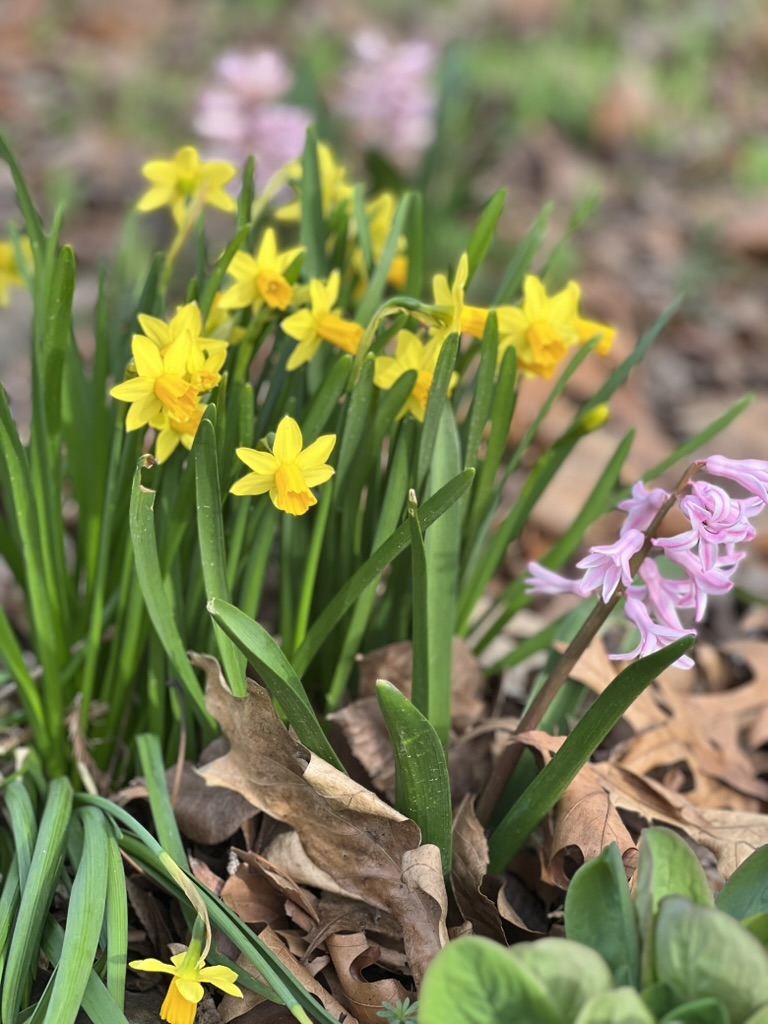
Every spring, daffodils are among the first flowers to appear. Sometimes they push through cold soil while winter is still lingering. Their bright yellow faces seem almost impossibly cheerful after months of gray skies.

It’s no surprise that across cultures and centuries, daffodils — also known as narcissus — have come to symbolize renewal, hope, and fresh beginnings.

These early spring blooms carry a long history of meaning, mythology, and tradition. Today, they remain one of the most beloved seasonal flowers in gardens and landscapes around the world.

Let’s take a closer look at the story behind the daffodil.


Daffodil vs. Narcissus: What’s the Difference?

You may hear the words daffodil and narcissus used interchangeably, and technically they refer to the same plant.

Narcissus is the botanical genus that includes dozens of species and thousands of cultivated varieties. Daffodil is the common name most people use, particularly in English-speaking countries.

In everyday language, all daffodils are narcissus, but not all narcissus varieties are commonly called daffodils. Some smaller species, like paperwhites, are also part of the narcissus family.

For most gardeners and flower lovers, though, the terms simply describe the familiar spring flowers with trumpet-shaped centers and bright petals.


The Greek Myth of Narcissus

The name narcissus comes from Greek mythology, specifically the story of a young man named Narcissus.

According to the myth, Narcissus was known for his extraordinary beauty. One day he saw his own reflection in a pool of water and became so captivated by it that he could not look away. Unable to leave the reflection, he eventually died beside the pool.

After his death, a flower grew in that spot. The flower was named narcissus in his memory.

While the myth is dramatic, the flower itself eventually took on a much softer meaning. Over time, narcissus became associated not with vanity but with rebirth and renewal, largely because of when it blooms.


One of the First Flowers of Spring

Daffodils are often among the earliest flowers to emerge each year. In many climates they begin blooming in late winter or early spring, sometimes even appearing through patches of snow.

Because of this timing, they became powerful symbols of:

  • New beginnings
  • Renewal after hardship
  • Hope and resilience
  • The return of warmth and sunlight

For gardeners, the first daffodil bloom often feels like a turning point — a signal that winter is beginning to loosen its grip.


Daffodils in the Victorian Language of Flowers

During the Victorian era, flowers were used as a form of symbolic communication known as floriography, or the “language of flowers.”

People used specific flowers to send messages that might have been difficult to say directly. Bouquets carried meaning, and different flowers represented different emotions or intentions.

In this system, daffodils symbolized new beginnings and hope.

A gift of daffodils could carry the quiet message:

“The sun will shine again.”

It’s a sentiment that still feels just as fitting today.


Cultural Symbolism Around the World

Daffodils hold meaning in several cultures, not just in European traditions.

Wales

In Wales, the daffodil is a national symbol and is traditionally worn on St. David’s Day (March 1).

The flower represents Welsh pride, heritage, and the arrival of spring. Fields of blooming daffodils are a familiar sight across the Welsh countryside.


China

In Chinese culture, narcissus flowers are associated with good fortune and prosperity, particularly around the Lunar New Year.

Blooming narcissus plants are considered a symbol of luck and success in the coming year.

If the flowers bloom exactly on New Year’s Day, it is said to be an especially auspicious sign.


Why Seasonal Flowers Matter

Daffodils are a perfect example of why seasonal flowers are so special.

Unlike many flowers sold in grocery stores that are grown thousands of miles away and shipped around the world, daffodils are deeply tied to their natural season.

Their bloom is brief but meaningful — a signal that winter is ending and spring is beginning.

This is one reason many gardeners and flower lovers are rediscovering the value of local, seasonal flowers.

When flowers are grown nearby and enjoyed in their natural season, they’re fresher, more sustainable, and more connected to the rhythms of nature.


The Local Blooms Vision

At Local Blooms, we believe flowers should connect people to their communities and to the seasons.

Local Blooms is a marketplace that connects backyard flower growers and small flower farms with people in their communities who want fresh, locally grown flowers.

Instead of flowers traveling thousands of miles through global supply chains, Local Blooms helps people find flowers grown right in their own neighborhoods.

Daffodils are a perfect example of the kind of flower that shines when grown locally. Their beauty is tied to the moment they bloom — a fleeting but joyful sign that spring has arrived.

When you see daffodils from a local grower, you’re not just buying flowers.
You’re celebrating the season and supporting someone in your community who grew them.

Find local flowers near you


A Flower That Returns Every Year

Daffodils are perennial bulbs, meaning they return year after year once planted.

Gardeners plant the bulbs in fall. Through winter, the bulbs rest underground, storing energy until spring.

When the weather warms, they emerge again — often multiplying over time to form beautiful drifts of flowers.

This cycle reinforces their symbolism of renewal and continuity.

Even after a long winter, the promise of spring is already waiting beneath the soil.


The Meaning of Daffodils Today

Today, daffodils continue to represent many of the same things they have for generations:

  • Renewal
  • Fresh starts
  • Hope
  • The return of light
  • The promise of spring

Whether planted in a garden, gathered in a bouquet, or simply admired along a roadside, they carry a message that resonates across cultures.

Sometimes a flower doesn’t just bloom.

Sometimes it marks a new beginning.