
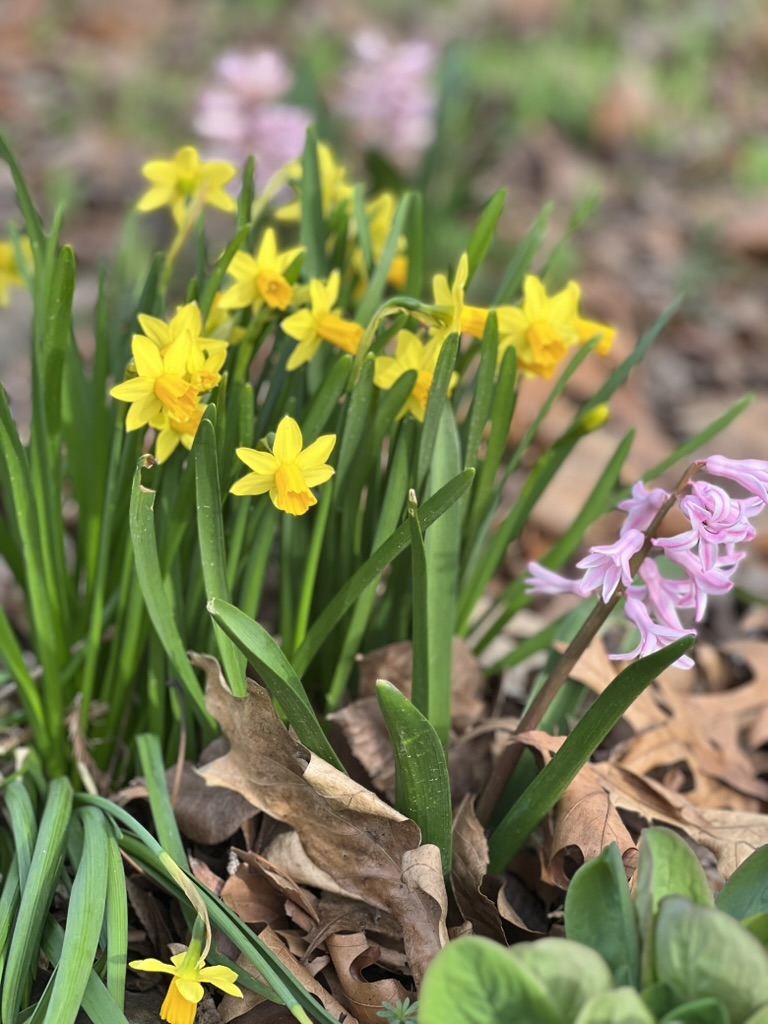
Every spring, daffodils are among the first flowers to appear. Sometimes they push through cold soil while winter is still lingering. Their bright yellow faces seem almost impossibly cheerful after months of gray skies.
It’s no surprise that across cultures and centuries, daffodils — also known as narcissus — have come to symbolize renewal, hope, and fresh beginnings.
These early spring blooms carry a long history of meaning, mythology, and tradition. Today, they remain one of the most beloved seasonal flowers in gardens and landscapes around the world.
Let’s take a closer look at the story behind the daffodil.
Daffodil vs. Narcissus: What’s the Difference?
You may hear the words daffodil and narcissus used interchangeably, and technically they refer to the same plant.
Narcissus is the botanical genus that includes dozens of species and thousands of cultivated varieties. Daffodil is the common name most people use, particularly in English-speaking countries.
In everyday language, all daffodils are narcissus, but not all narcissus varieties are commonly called daffodils. Some smaller species, like paperwhites, are also part of the narcissus family.
For most gardeners and flower lovers, though, the terms simply describe the familiar spring flowers with trumpet-shaped centers and bright petals.
The Greek Myth of Narcissus
The name narcissus comes from Greek mythology, specifically the story of a young man named Narcissus.
According to the myth, Narcissus was known for his extraordinary beauty. One day he saw his own reflection in a pool of water and became so captivated by it that he could not look away. Unable to leave the reflection, he eventually died beside the pool.
After his death, a flower grew in that spot. The flower was named narcissus in his memory.
While the myth is dramatic, the flower itself eventually took on a much softer meaning. Over time, narcissus became associated not with vanity but with rebirth and renewal, largely because of when it blooms.
One of the First Flowers of Spring
Daffodils are often among the earliest flowers to emerge each year. In many climates they begin blooming in late winter or early spring, sometimes even appearing through patches of snow.
Because of this timing, they became powerful symbols of:
- New beginnings
- Renewal after hardship
- Hope and resilience
- The return of warmth and sunlight
For gardeners, the first daffodil bloom often feels like a turning point — a signal that winter is beginning to loosen its grip.
Daffodils in the Victorian Language of Flowers
During the Victorian era, flowers were used as a form of symbolic communication known as floriography, or the “language of flowers.”
People used specific flowers to send messages that might have been difficult to say directly. Bouquets carried meaning, and different flowers represented different emotions or intentions.
In this system, daffodils symbolized new beginnings and hope.
A gift of daffodils could carry the quiet message:
“The sun will shine again.”
It’s a sentiment that still feels just as fitting today.
Cultural Symbolism Around the World
Daffodils hold meaning in several cultures, not just in European traditions.
Wales
In Wales, the daffodil is a national symbol and is traditionally worn on St. David’s Day (March 1).
The flower represents Welsh pride, heritage, and the arrival of spring. Fields of blooming daffodils are a familiar sight across the Welsh countryside.
China
In Chinese culture, narcissus flowers are associated with good fortune and prosperity, particularly around the Lunar New Year.
Blooming narcissus plants are considered a symbol of luck and success in the coming year.
If the flowers bloom exactly on New Year’s Day, it is said to be an especially auspicious sign.
Why Seasonal Flowers Matter
Daffodils are a perfect example of why seasonal flowers are so special.
Unlike many flowers sold in grocery stores that are grown thousands of miles away and shipped around the world, daffodils are deeply tied to their natural season.
Their bloom is brief but meaningful — a signal that winter is ending and spring is beginning.
This is one reason many gardeners and flower lovers are rediscovering the value of local, seasonal flowers.
When flowers are grown nearby and enjoyed in their natural season, they’re fresher, more sustainable, and more connected to the rhythms of nature.
The Local Blooms Vision
At Local Blooms, we believe flowers should connect people to their communities and to the seasons.
Local Blooms is a marketplace that connects backyard flower growers and small flower farms with people in their communities who want fresh, locally grown flowers.
Instead of flowers traveling thousands of miles through global supply chains, Local Blooms helps people find flowers grown right in their own neighborhoods.
Daffodils are a perfect example of the kind of flower that shines when grown locally. Their beauty is tied to the moment they bloom — a fleeting but joyful sign that spring has arrived.
When you see daffodils from a local grower, you’re not just buying flowers.
You’re celebrating the season and supporting someone in your community who grew them.
A Flower That Returns Every Year
Daffodils are perennial bulbs, meaning they return year after year once planted.
Gardeners plant the bulbs in fall. Through winter, the bulbs rest underground, storing energy until spring.
When the weather warms, they emerge again — often multiplying over time to form beautiful drifts of flowers.
This cycle reinforces their symbolism of renewal and continuity.
Even after a long winter, the promise of spring is already waiting beneath the soil.
The Meaning of Daffodils Today
Today, daffodils continue to represent many of the same things they have for generations:
- Renewal
- Fresh starts
- Hope
- The return of light
- The promise of spring
Whether planted in a garden, gathered in a bouquet, or simply admired along a roadside, they carry a message that resonates across cultures.
Sometimes a flower doesn’t just bloom.
Sometimes it marks a new beginning.
